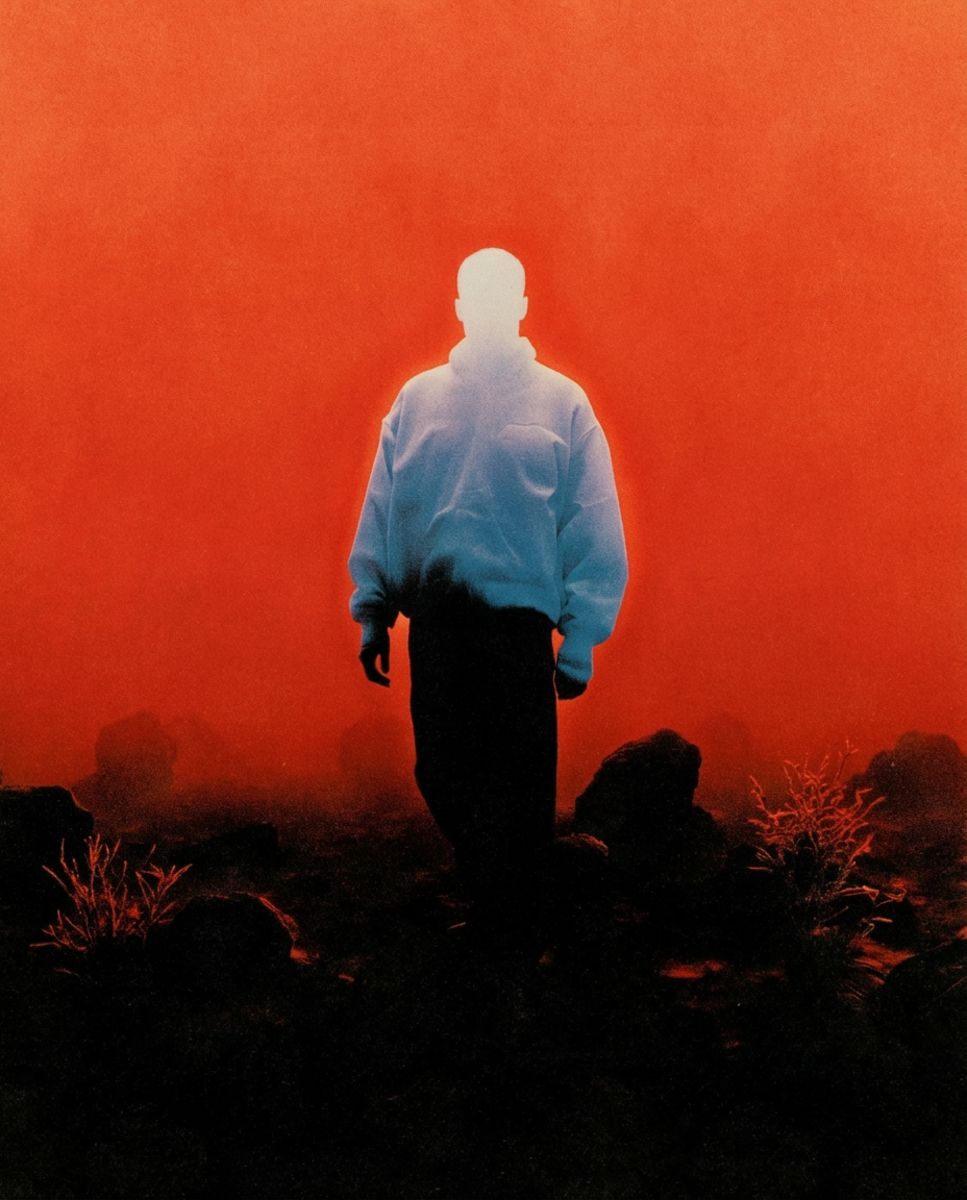
I used to believe grief announced itself. I thought it arrived loudly, with tears, shaking voices, and visible collapse. I thought pain demanded attention. I thought sorrow needed sound. I was wrong. Sometimes grief is quiet. Sometimes it sits still. Sometimes it asks for medicine and says nothing more.
The last twelve days moved faster than my heart could process. It began with joy. My younger brother’s wedding filled our home with people, noise, laughter, food, and constant movement. There were photos to take, guests to greet, rituals to complete. Everyone was busy. Everyone was happy. Then, without warning, life changed its tone. My uncle passed away suddenly. No preparation. No warning signs. No slow goodbye.Just absence. Life did not pause to let us finish celebrating. It did not ask if we were ready. It simply moved on, carrying us with it.
My parents had just returned from the USA after three and a half years. My father is over seventy-five now. Age has made him quieter, slower, and more reflective. I am careful with him. I don’t like letting him go anywhere alone. After the wedding, we planned a short family tour. My father didn’t want to go. He wanted to visit our village home instead. He didn’t argue much. He simply said that was where his heart was.
Still, I insisted.
At the time, I thought I was doing the right thing. I thought fresh air, family time, and change of place would be good for him. Now I wonder if he already knew what he needed and I just didn’t listen.
One afternoon, my father said he wanted to go shopping. I offered to go with him. He smiled and said, “It’s only a two-minute walk. I’ll be back in ten minutes.” I let him go. Two hours passed. The thought came suddenly and sharply: Where is my father? I called him. No answer. Fear does not always come as panic. Sometimes it arrives as silence. The kind that makes your chest feel heavy. I called my cousin. Yes, my father had already gone to the village home.
When I asked him why, he spoke calmly. He said he missed the smell of the house. He missed the feeling of being there. He said he would come back the next day. I didn’t question him further. Some emotions are older than logic.
The next day, we visited Rangamati, one of the most beautiful places in Bangladesh. Green hills, quiet water, soft air. My father returned on time. We spent the day together. We talked. We laughed. For a moment, life felt balanced again. That night, during dinner, my phone rang. Late night calls rarely bring good news. My cousin asked a simple question: “Has anyone from the village house called you?” When I said no, he said, “Check on Uncle.” My body understood before my mind did.
I stepped outside quietly and called my first cousin. His voice was shaking.
“Brother, Dad’s body is cold. Like ice.” I told him to take my uncle to a doctor. He said the doctor was already there. I spoke to the doctor. His words were brief and final: “You need to accept reality. People die. It’s normal.” My uncle passed away at 10:33 PM. The youngest sibling. The same brother my father had tea with that very morning. In that moment, it felt like the ground beneath me loosened, as if I might sink into it.
Grief multiplies when you have to carry it to someone else. My father is the eldest among his siblings. He has always carried responsibility quietly. The one who passed away was the youngest. I asked my elder brother if we should tell Dad immediately. He said, “Tell him. There’s nothing to hide.” Back at the hotel, I told my mother and my younger brothers. Then I called my father into the room. I chose my words carefully, but no words are ever gentle enough. I said, “A little while ago, Uncle dropped his rice plate during dinner… he’s no longer with us.” I tried to stay composed. I couldn’t. Tears fell, uncontrollably. My father looked at me. His eyes held something deep and heavy, but he did not speak.
After a long silence, he said, “I need to take my medicine.” That was all. I didn’t know a human being could contain that much sorrow without letting it escape. My father did not cry. He did not ask questions. He did not collapse. He simply absorbed it. That night, I realized something painful and beautiful at the same time: some people grieve not by expressing pain, but by managing it.
Fathers often do not show their wounds. They turn pain inward, believing it is their duty to remain steady so others do not fall.
We could not return to the village home that night. At six in the morning, we left. The rituals happened as they always do. People gathered. Words were spoken. Customs were followed. But one moment stayed with me. My father gently ran his hand over his younger brother’s head.
No speech.
No tears.
Just a soft, final touch.
In that gesture, I saw love, farewell, and acceptance all at once. In these twelve days, I learned lessons no book could teach me:
Strength is often quiet
Silence can carry more emotion than words
Older parents feel deeply but show less
Responsibility leaves little room for visible grief
Presence matters more than advice
I also learned that grief does not follow a single shape. It looks different in everyone. I do not ask my father how he feels every day. I do not push him to talk. Instead, I sit beside him. I walk with him. I stay close. I let silence do its work. Because grief is not something you solve. It is something you learn to live with.
I once believed pain had to be loud to be real. Now I know some of the deepest pain lives quietly inside people who still wake up, take their medicine, and care for others.
That night, I didn’t just lose an uncle. I learned what quiet strength looks like. And I will never forget it.
BMX
Note: The image used for the cover photo is AI generated.